
The Nature of Luck in Gambling
Luck is an intrinsic element of gambling, particularly in casinos where chance dictates outcomes across various games. Unlike traditional investments where skill and strategy can lead to consistent returns, gambling primarily relies on probability and randomness. For instance, when playing slot machines, players pull the lever with no control over whether they will win or lose, underscoring the unpredictable nature of luck. Many players seek out options that offer better odds, such as the visa fast withdrawal casino , which can enhance the overall excitement and suspense, elements that are vital to the overall casino experience.
Moreover, the concept of luck can often be perceived in different ways by players. Some gamblers believe they possess a unique “luck” that affects their gaming outcomes, leading them to favor certain games or strategies. Others lean into superstitions, adhering to rituals that they believe will enhance their chances of winning. This belief in luck illustrates how deeply ingrained the idea is within the casino culture, influencing behavior and decision-making at the gaming tables.
Understanding luck’s role in gambling is crucial for players to manage their expectations and emotions. Recognizing that luck can lead to winning streaks, as well as devastating losses, helps players navigate the highs and lows of casino gaming. This balance is essential; while strategy and skill can improve odds in certain games, luck ultimately governs the results, making it a double-edged sword that can turn on a dime.
The Impact of Randomness on Games
Randomness plays a fundamental role in the workings of nearly all casino games, ensuring that each result is independent of previous outcomes. Games like roulette, blackjack, and poker each have their own mechanics that incorporate randomness, creating a dynamic environment where players must adapt to fluctuating odds. For example, in roulette, each spin of the wheel is unrelated to the last, which means that players cannot predict where the ball will land based on previous spins, thus emphasizing the significance of luck.
The random nature of these games is designed to create fairness and unpredictability, primary attractions for gamblers. It makes the experience not only thrilling but also uncertain, which can lead players to experience a range of emotions. This variability can foster both elation and disappointment, enhancing the overall casino atmosphere. In this way, luck is not merely an abstract concept but a driving force that shapes the gaming experience and player engagement.

Furthermore, casinos themselves utilize this randomness as a crucial marketing tool. By ensuring that outcomes are unpredictable, they maintain the allure of potential big wins, drawing in players who seek the thrill of chance. This strategy encapsulates the essence of gambling—an environment where luck can change lives in an instant, reinforcing the notion that luck is a vital aspect of casino success.
The Role of Psychological Factors
The psychological effects of luck on players cannot be overstated. Many gamblers experience a psychological phenomenon known as the “gambler’s fallacy,” a belief that past results can influence future outcomes. For example, if a player notices a particular number hasn’t hit in a while in a game of roulette, they may feel compelled to bet on that number, believing it’s “due” for a win. This mindset can lead to irrational decision-making and further emphasizes how crucial luck is perceived in casino success.
Additionally, the thrill of winning, often seen as a product of sheer luck, can lead to addictive behaviors. Players who experience a lucky streak may be tempted to continue gambling, hoping to replicate that success. This can create a reinforcing loop where the excitement of luck drives players back to the tables time and time again. While this is beneficial for casinos, it can be detrimental to the players who may gamble beyond their means, captivated by the fleeting nature of success.
Understanding these psychological factors is essential for both players and casino operators. For players, recognizing that luck is random and can vary dramatically over time may help cultivate a healthier approach to gambling. For casinos, acknowledging the psychological impact of luck can inform responsible gaming initiatives. Balancing the thrill of chance with awareness can enhance the enjoyment of the gaming experience while fostering a safe gambling environment.
The Financial Aspects of Luck in Casinos
The financial structure of casinos is heavily influenced by luck and chance. Casino games are designed with built-in house edges that guarantee profitability over the long term. However, in the short term, luck can significantly impact individual players, leading to substantial fluctuations in winnings and losses. For instance, a lucky player might win a jackpot, while others may experience extended losing streaks, highlighting the unpredictable financial outcomes of casino gaming.
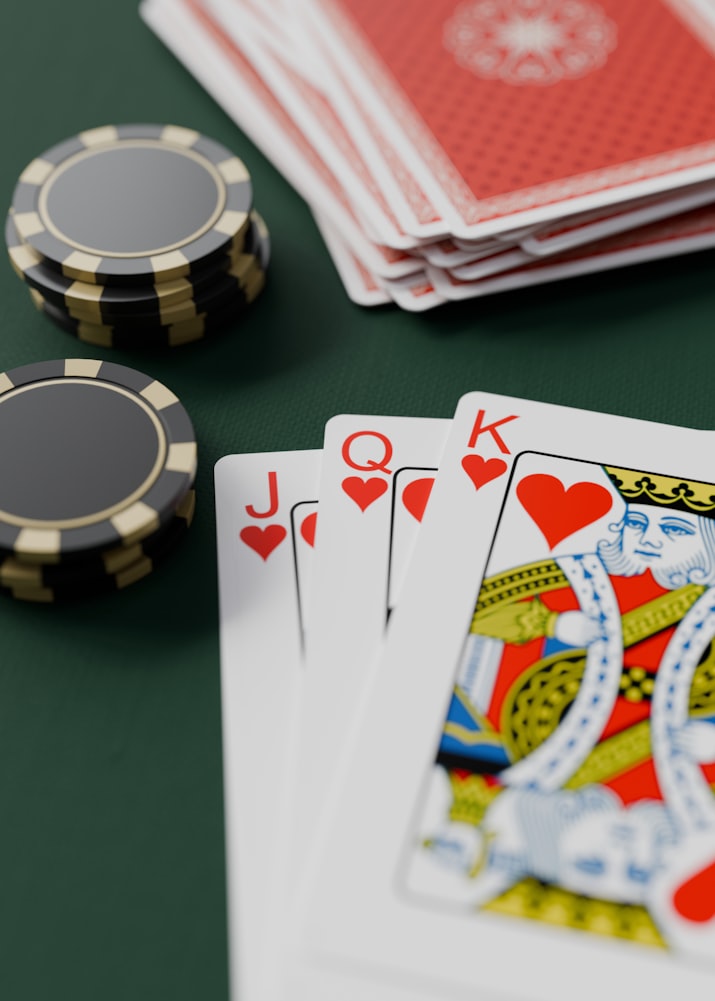
Furthermore, the aspect of luck can affect how casinos manage their finances and rewards. Casinos may allocate a portion of their revenue to entice players with jackpots and bonuses, creating an illusion of luck and fortune. This strategy keeps players engaged and hopeful for their moment of luck, drawing them back in with the promise of big wins. However, the reality remains that the odds are consistently tilted in favor of the house, establishing a long-term profit model that relies on the ups and downs of luck.
In essence, luck establishes the rhythm of financial interactions within casinos, impacting both players and operators. While players may benefit from occasional windfalls, casinos flourish by ensuring that, over time, luck favors the house. This complex relationship illustrates the fundamental role luck plays in the success of casinos overall, making it a cornerstone of the gaming industry’s financial ecosystem.
The Interplay Between Luck and Strategy
In conclusion, luck remains a pivotal factor in the realm of casinos, influencing the experiences of players and the operational strategies of establishments alike. While skill and strategy can enhance a player’s chances in games where such elements are applicable, the unpredictability of luck ultimately governs outcomes. This duality creates a captivating environment where players are drawn not only by the allure of potential success but also by the thrill of the unknown.
Understanding the intricate dynamics between luck, strategy, and psychology is crucial for all participants in the casino setting. Players who recognize the role of luck can navigate their gambling experiences more mindfully, seeking enjoyment rather than merely chasing losses or wins. Likewise, casino operators who acknowledge the impact of luck on their customers can tailor experiences that are both thrilling and responsible.
As we explore the world of casinos, it becomes clear that luck is not just a random occurrence but a fundamental component that influences strategies, finances, and player behavior. By appreciating this interplay, both players and casinos can create a more enriching and enjoyable gambling experience, where the excitement of luck continues to play a crucial role in their shared success.